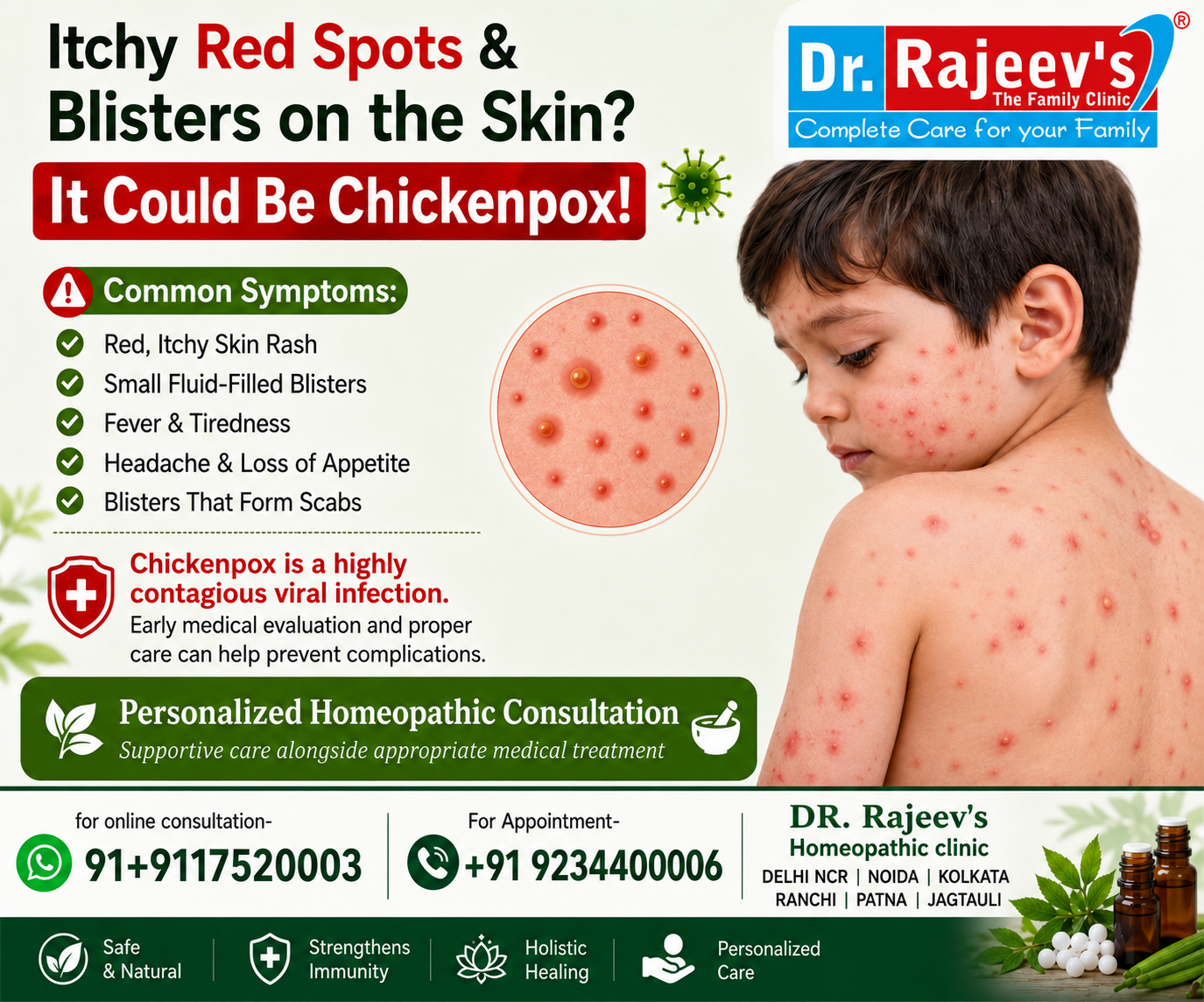
Varicella, commonly known as chickenpox, is a highly contagious viral infection caused by the varicella-zoster virus. It commonly affects children but can also occur in adults who have not previously had chickenpox or vaccination.
The most recognizable chickenpox symptoms include an itchy skin rash that develops into small fluid-filled blisters and eventually forms scabs. Fever, tiredness, headache, and loss of appetite may also occur.
Although chickenpox is often mild in healthy children, it can sometimes cause complications, particularly in newborns, pregnant women, adults, and people with weakened immune systems. Understanding chickenpox causes, symptoms, treatment, and prevention is important for protecting individual and family health.
Varicella is a viral infection caused by the varicella-zoster virus. It spreads easily from an infected person to others through respiratory droplets and direct contact with fluid from chickenpox blisters.
After exposure, symptoms usually develop after an incubation period of approximately 10–21 days.
Once infected, the virus remains dormant in the body and can reactivate later in life as shingles.
Recognizing chickenpox symptoms early can help reduce transmission and ensure appropriate care.
Common symptoms include:
The characteristic chickenpox rash is often the most recognizable symptom.
The rash may begin as small red or pink spots before developing into blisters.
The spots can become itchy, fluid-filled blisters.
The blisters eventually break or dry and form scabs.
Mild to moderate fever may occur before or around the time the rash develops.
Fatigue and general weakness are common.
Some people may experience headache and reduced appetite.
Stages of Chickenpox Rash
Understanding the stages can make it easier to recognize chickenpox.
Small red or pink spots may initially appear.
The spots develop into itchy blisters containing clear fluid.
The blisters may break or dry naturally.
The affected areas develop crusts and gradually heal.
New spots may continue to appear for several days, so different stages of the rash can be present at the same time.
The main cause of varicella is infection with the varicella-zoster virus.
Chickenpox can spread through:
A person with chickenpox can spread the virus before all the blisters have crusted over.
People who have never had chickenpox or vaccination may be susceptible to infection.
More serious illness is more likely in:
A healthcare professional can often diagnose chickenpox based on the characteristic rash and symptoms.
Medical evaluation may be especially important when:
Laboratory testing may sometimes be used when confirmation is needed.
There is no specific routine cure that immediately eliminates the varicella-zoster virus. Treatment generally focuses on relieving symptoms and preventing complications.
Depending on the person's age and health, a healthcare professional may recommend:
Aspirin should not be given to children or teenagers with chickenpox because of the risk of a serious condition called Reye's syndrome.
Always consult a healthcare professional before giving medication to a child.
Some people search for homeopathic treatment for chickenpox or natural approaches to managing the condition.
However, there is currently no good-quality scientific evidence that homeopathy can cure chickenpox or eliminate the varicella-zoster virus.
At Dr. Rajeev Homeopathic Clinic, consultations may focus on general wellness, symptom support, lifestyle guidance, and individualized care. Such care should be considered complementary only and should not replace appropriate medical treatment.
People with chickenpox should receive appropriate medical advice, particularly when they are at increased risk of complications.
The following measures may help improve comfort:
Drink plenty of fluids, especially if fever or poor appetite is present.
Scratching can damage the skin and increase the risk of bacterial infection and scarring.
Short nails can reduce accidental skin damage.
Loose, soft clothing can reduce irritation.
Gentle bathing and clean skin can help reduce the risk of secondary infection.
Rest supports recovery from viral illness.
The chickenpox vaccine is the most effective way to prevent varicella and reduce the risk of severe disease.
Other preventive measures include:
If someone has been exposed to chickenpox and is at high risk of complications, they should contact a healthcare professional promptly.
Seek medical advice if chickenpox symptoms become severe or if the affected person belongs to a high-risk group.
Urgent medical evaluation may be needed for:
Pregnant women, newborns, adults with chickenpox, and people with weakened immune systems should seek medical guidance promptly.
Yes. Scratching or secondary bacterial infection can increase the chance of permanent scars.
Avoiding scratching, keeping the skin clean, and following appropriate medical advice can help reduce complications.
Dr. Rajeev Homeopathic Clinic focuses on personalized, patient-centered wellness care.
Dr. Rajeev considers factors such as:
Homeopathic consultation should complement—not replace—appropriate medical diagnosis, vaccination, and evidence-based treatment.
Varicella (chickenpox) is a contagious viral infection characterized by fever, tiredness, and an itchy rash that progresses from red spots to fluid-filled blisters and scabs.
Understanding chickenpox symptoms, causes, transmission, treatment, and prevention can help families recognize the condition early and reduce its spread.
Most healthy children recover without serious complications, but chickenpox can be more serious in adults, pregnant women, newborns, and people with weakened immune systems. Appropriate medical care, vaccination, good hygiene, hydration, and avoiding scratching are important parts of managing chickenpox.
If you or your child develops symptoms of varicella, consult a qualified healthcare professional for proper diagnosis and treatment guidance.
Varicella is a viral infection caused by the varicella-zoster virus. It is commonly known as chickenpox.
Early symptoms may include fever, tiredness, headache, loss of appetite, followed by the characteristic itchy rash.
The rash usually progresses from small red spots to fluid-filled blisters and then crusts or scabs.
Yes. Chickenpox is highly contagious and can spread through respiratory droplets and direct contact with blister fluid.
Chickenpox commonly improves within about 1–2 weeks, although the exact duration varies between individuals.
Yes. Adults who have not previously had chickenpox or vaccination can become infected, and illness may be more severe than in children.
There is no reliable scientific evidence that homeopathy cures chickenpox. Appropriate medical care should not be delayed. Homeopathic consultation, if chosen, should only be considered complementary supportive care.
Vaccination is the most effective way to prevent chickenpox. Avoiding close contact with infected individuals can also reduce transmission.
Yes. Scratching and secondary skin infections can increase the risk of scarring.
Seek medical advice for severe symptoms, breathing problems, dehydration, neurological symptoms, skin infection, or if the affected person is pregnant, a newborn, an adult, or immunocompromised.


ABHI HOMEO HALL is a one and half decade old renowned clinic that offers the best quality, non-toxic and highly effective treatment in Ranchi, Patna and Delhi.
Read More