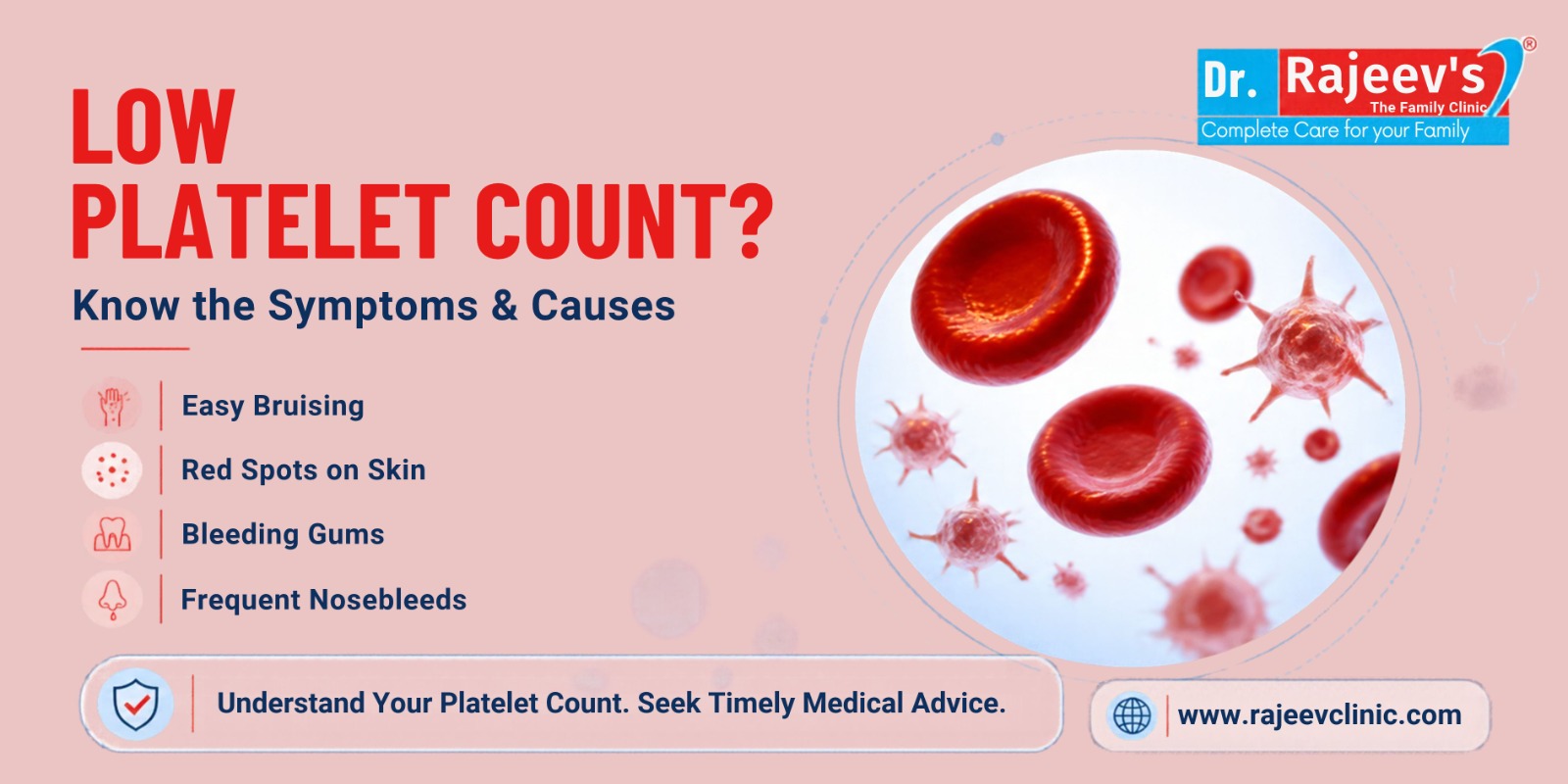
Low platelet count is a blood condition that can affect the body's ability to form clots and control bleeding. Platelets are tiny blood components that help stop bleeding when a blood vessel is injured. When the platelet count falls below the normal range, a person may experience easy bruising, small red spots on the skin, or unusual bleeding.
Understanding the symptoms, causes, and treatment options for a low platelet count can help people seek timely medical advice. This guide explains what low platelets mean, how the condition is diagnosed, and when medical attention is necessary.
Platelets, also called thrombocytes, are produced in the bone marrow. They help blood clot and prevent excessive bleeding.
A typical normal platelet count in adults is approximately 150,000 to 450,000 platelets per microlitre of blood. A count below 150,000 per microlitre is generally considered low, although the interpretation depends on the laboratory results, medical history, and individual circumstances.
The medical term for a low platelet count is thrombocytopenia. Its severity and significance depend on how low the count is, whether it is falling, and whether the person has symptoms or other health conditions.
Some people with a mildly low platelet count do not experience noticeable symptoms. When symptoms occur, they may include:
The absence of symptoms does not always mean the platelet count is safe. A blood test is needed to confirm the count.
Several medical conditions, medicines, and infections can cause a low platelet count. Common causes include:
Certain viral infections, including dengue, can cause a temporary decrease in platelet levels. The platelet count may change during the illness, so doctors may recommend repeat blood tests based on symptoms and clinical findings.
Dengue can be associated with a falling platelet count. However, the platelet number alone does not determine how serious dengue is. Warning signs, hydration, circulation, bleeding, and other clinical findings are also important.
Vitamin B12 and folate help the body produce healthy blood cells. Deficiencies can sometimes contribute to a low platelet count and may require testing and appropriate treatment.
In immune thrombocytopenia (ITP), the immune system mistakenly destroys platelets. The condition may need specialist assessment, monitoring, or treatment depending on the platelet count and bleeding risk.
The bone marrow produces platelets. Certain bone marrow disorders, cancers, and some cancer treatments can interfere with platelet production.
Some medicines can reduce platelet production or increase platelet destruction. Excessive alcohol use can also affect platelet production. Never stop a prescribed medicine without consulting the prescribing clinician.
Certain liver diseases, enlarged spleen, severe infections, and other medical conditions can affect platelet levels. Identifying the underlying cause is essential for choosing the right treatment.
Doctors usually begin with a complete blood count (CBC), which measures platelets along with red and white blood cells.
Depending on the findings, further evaluation may include:
Sometimes, platelets clump together in the blood collection tube and produce a falsely low result. A clinician may recommend repeating the test or using another method to confirm the count.
Low platelet count treatment depends on the underlying cause, the severity of the decrease, and whether bleeding is present. There is no single treatment suitable for everyone.
People with a mildly reduced platelet count and no concerning symptoms may only need monitoring and repeat blood tests, as advised by their doctor.
If the decrease is related to an infection, nutritional deficiency, medicine, or another medical condition, treatment focuses on addressing that cause.
Some conditions, such as immune thrombocytopenia, may require prescribed medicines or other specialist treatments. Platelet transfusions may be considered in selected situations, particularly when there is serious bleeding or a specific medical indication.
Treatment decisions should be made by a qualified medical professional. Do not self-medicate or take supplements in an attempt to increase platelets without medical advice.
Healthy habits can support general health, but they cannot replace treatment for the cause of a low platelet count.
No particular food, juice, or home remedy has been proven to reliably and rapidly raise platelet levels in every person.
Seek prompt medical advice if you have a newly diagnosed low platelet count, unusual bruising, recurring nosebleeds, or bleeding gums.
Get emergency medical care for heavy or persistent bleeding, blood in vomit, black or bloody stools, blood in urine with significant symptoms, a severe or sudden headache, confusion, fainting, or difficulty breathing.
If you have dengue or another suspected infection, follow your clinician's instructions and seek urgent assessment if you develop severe abdominal pain, persistent vomiting, bleeding, unusual drowsiness, restlessness, or cold and clammy skin.
Do not delay emergency care while trying foods, supplements, or alternative treatments.
People sometimes explore complementary approaches when managing health concerns. However, there is insufficient reliable scientific evidence that homeopathy can safely and effectively increase a low platelet count or treat its underlying causes.
Low platelets can sometimes indicate a serious medical condition. Homeopathic products should not replace medical evaluation, recommended blood tests, or evidence-based treatment. Discuss any complementary product with your treating clinician, especially if you are taking medicines or have an active infection.
At Dr. Rajeev Homeopathic Clinic, patients seeking complementary health guidance should be encouraged to obtain appropriate medical assessment and continue any necessary treatment recommended by their qualified healthcare professional.
A typical adult platelet count is approximately 150,000–450,000 per microlitre of blood. The laboratory reference range may vary slightly.
A platelet count below 150,000 per microlitre is generally considered low. The level of concern depends on the count, symptoms, trend, and underlying cause.
Some people have no symptoms. Possible signs include easy bruising, tiny red or purple spots on the skin, bleeding gums, and frequent nosebleeds.
A balanced diet supports general health, and correcting a nutritional deficiency may help when that deficiency contributes to low platelets. No specific food is proven to rapidly increase platelet levels in all cases.
No. Platelet levels vary during dengue, and not every patient develops the same degree of reduction. Doctors assess symptoms, warning signs, examination findings, and blood tests together.
Not always. Some mild cases require only monitoring, while severe reductions or low platelets accompanied by bleeding can be serious. Medical assessment helps determine the appropriate next steps.
Reliable scientific evidence does not establish homeopathy as an effective treatment for increasing platelet counts. Medical evaluation and appropriate treatment of the underlying cause are important.


ABHI HOMEO HALL is a one and half decade old renowned clinic that offers the best quality, non-toxic and highly effective treatment in Ranchi, Patna and Delhi.
Read More