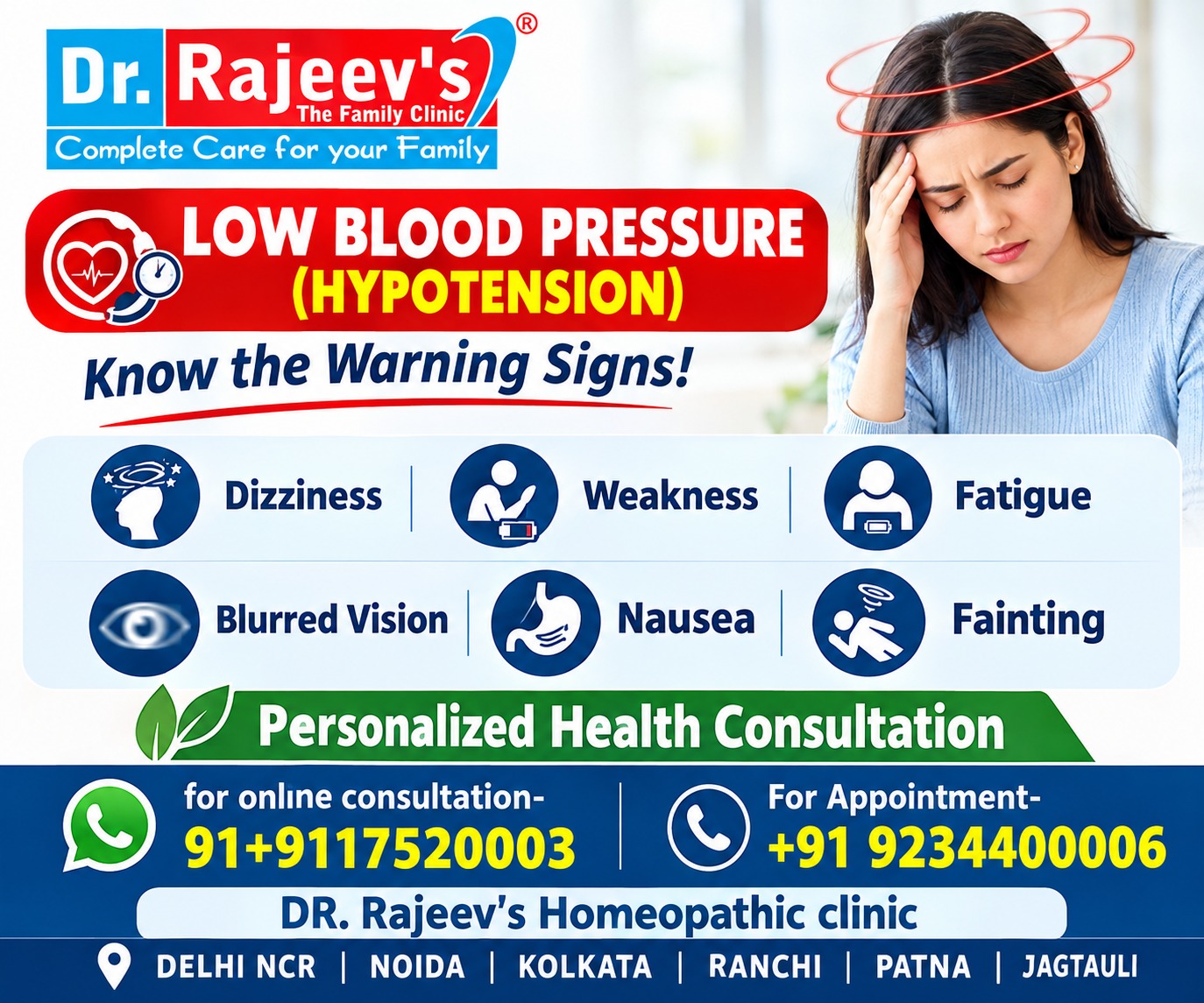
Blood pressure helps circulate blood and oxygen throughout the body. When blood pressure becomes unusually low, it is known as hypotension or low blood pressure. While low readings may be normal for some healthy people, low blood pressure (hypotension) can cause symptoms when the brain and other organs do not receive adequate blood flow.
Dizziness, weakness, blurred vision and fainting are some common symptoms. Understanding the possible causes and knowing when medical attention is needed can help with appropriate management.
Hypotension refers to blood pressure that is lower than normal. A commonly used threshold is below 90/60 mmHg, although the significance of a reading depends on the individual and whether symptoms are present.
Some people naturally have lower blood pressure without experiencing any health problems. Therefore, one low reading does not necessarily mean that treatment is required.
Low blood pressure symptoms can vary depending on how quickly the blood pressure falls and what is causing it.
Common symptoms include:
If these symptoms occur repeatedly, it is important to discuss them with a healthcare professional.
There are several possible low blood pressure causes. Some may be temporary, while others can be related to an underlying health condition.
Common causes include:
Loss of fluids through sweating, vomiting, diarrhea or inadequate fluid intake can reduce blood volume and contribute to low blood pressure.
Certain medicines, including some used for high blood pressure and heart conditions, may lower blood pressure.
Significant blood loss can reduce blood volume and cause a sudden drop in blood pressure.
Some heart conditions can affect the body's ability to maintain adequate blood pressure.
Certain endocrine or hormonal problems may contribute to hypotension.
Some people experience dizziness or a blood pressure drop after standing for a long period, particularly when moving quickly from sitting or lying down.
Different forms of hypotension can occur in different situations.
Orthostatic hypotension: A drop in blood pressure after standing up from sitting or lying down.
Postprandial hypotension: A drop in blood pressure after eating, more commonly seen in older adults.
Neurally mediated hypotension: A temporary drop in blood pressure associated with prolonged standing or certain triggers.
Understanding the type can help healthcare professionals identify the underlying cause and appropriate management.
Diagnosis usually begins with measuring blood pressure and discussing symptoms, medical history and medications.
Depending on the situation, a healthcare professional may recommend additional evaluation or tests to identify the underlying cause. Keeping a record of blood pressure readings and symptoms can also be useful.
Low blood pressure treatment depends on the underlying cause and severity of symptoms.
Management may include:
Do not increase salt intake or change prescribed medicines without professional guidance, particularly if you have heart, kidney or other medical conditions.
People experiencing recurrent low BP symptoms can discuss suitable lifestyle measures with their healthcare provider. Staying adequately hydrated, eating balanced meals, getting sufficient rest and standing up slowly may help some individuals.
Regular blood pressure monitoring can also help identify patterns and provide useful information during medical consultations.
Low blood pressure can become an emergency when it is severe and causes inadequate blood flow to vital organs.
Seek urgent medical attention if a sudden drop in blood pressure is accompanied by:
A sudden severe drop may have serious causes, including significant blood loss, severe infection or other medical emergencies.
People searching for homeopathic treatment for low blood pressure should first have the cause of hypotension properly assessed.
Homeopathy may be considered by some individuals as a complementary approach, but there is not sufficient reliable evidence that homeopathy can treat hypotension or replace evidence-based medical care. It should not delay diagnosis or treatment, particularly when blood pressure is severely low or symptoms are serious.
A qualified healthcare professional can help determine the appropriate approach based on the individual's symptoms and underlying cause.
Not every episode of hypotension can be prevented, but some general measures may help:
A reading below 90/60 mmHg is commonly considered low, although a reading's significance depends on the person and whether symptoms are present.
Common symptoms of hypotension include dizziness, weakness, blurred vision, nausea, difficulty concentrating and fainting.
Low blood pressure causes can include dehydration, certain medicines, blood loss, heart conditions, hormonal problems and prolonged standing.
Management depends on the cause. Hydration, changing positions slowly, reviewing medications and treating underlying conditions may be recommended by a healthcare professional.
Seek urgent medical care if low BP is accompanied by fainting, confusion, chest pain, breathing difficulty, severe weakness or signs of shock.
Homeopathy should not replace medical evaluation or evidence-based treatment for hypotension. The underlying cause should be identified, especially when symptoms are persistent or severe.


ABHI HOMEO HALL is a one and half decade old renowned clinic that offers the best quality, non-toxic and highly effective treatment in Ranchi, Patna and Delhi.
Read More