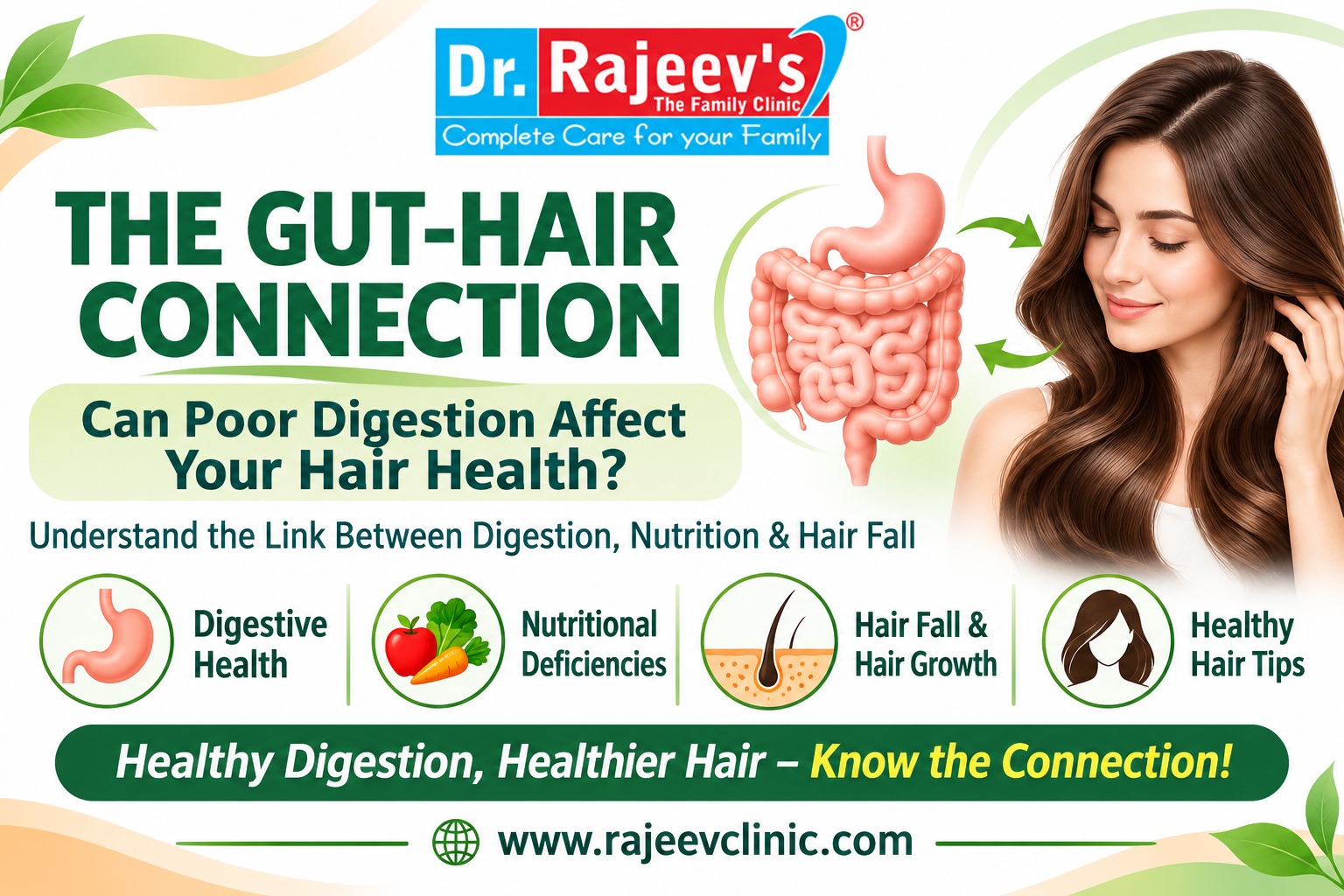
Healthy, strong and shiny hair is often associated with good nutrition and proper hair care. However, hair health may also be influenced by overall health, including the digestive system. The digestive system helps break down food and absorb essential nutrients that support different functions of the body, including normal hair growth.
Many people experience digestive problems such as constipation, bloating, acidity and irregular bowel movements along with hair fall. This raises an important question: Can poor digestion affect hair health?
Although constipation itself is not proven to directly cause hair loss, digestive disorders, restrictive diets and nutritional deficiencies may affect the body's ability to maintain healthy hair. Understanding the relationship between digestion and hair health can help you take better care of your overall well-being.
The digestive system plays an important role in processing food and absorbing nutrients. Hair follicles need a regular supply of nutrients to support their normal growth cycle.
Some important nutrients associated with healthy hair include:
If a person has a medical condition that affects nutrient absorption, or follows a diet that does not provide enough essential nutrients, hair health may be affected.
Digestive problems do not automatically lead to hair loss. However, certain underlying conditions may contribute to both digestive symptoms and hair-related concerns.
Hair follicles require adequate nutrition to function normally. Low levels of iron, protein, zinc and certain vitamins may contribute to hair shedding or poor hair quality.
Some digestive conditions can interfere with nutrient absorption. For example, coeliac disease and certain intestinal disorders may lead to nutritional deficiencies if not properly managed.
Skipping meals, following crash diets and eating an unbalanced diet can affect overall health. When the body does not receive enough calories, protein or essential nutrients, excessive hair shedding may occur.
A balanced diet supports both digestive health and normal hair growth.
Certain long-term digestive disorders may affect nutrient absorption and general health. Conditions such as inflammatory bowel disease and coeliac disease can sometimes be associated with nutritional deficiencies and hair-related problems.
It is important to identify the underlying condition rather than assuming that every case of hair fall is caused by poor digestion.
Stress can affect digestion and may also trigger a type of temporary hair shedding called telogen effluvium.
Other factors, such as inadequate sleep, sudden weight loss, illness and hormonal changes, may also contribute to hair fall.
Thyroid disorders can affect bowel movements, energy levels and hair growth. An underactive thyroid may be associated with constipation, dry hair and hair thinning.
If digestive symptoms occur along with unexplained hair loss, a healthcare professional may recommend thyroid testing.
Constipation is a common digestive problem in which bowel movements become less frequent or stools become hard and difficult to pass.
Common causes include:
There is no strong scientific evidence that constipation directly causes hair fall. However, constipation and hair loss may sometimes occur together because of shared factors such as poor dietary habits, nutritional deficiencies, stress or thyroid disorders.
Therefore, treating constipation alone may not resolve hair loss. It is important to understand the actual reason behind excessive hair shedding.
Occasional hair shedding is normal. However, certain changes may indicate that you should consult a dermatologist or healthcare professional.
Look out for:
Sudden, severe or patchy hair loss should be medically evaluated rather than treated with home remedies alone.
Taking care of your digestive health and following a balanced lifestyle can support overall wellness. Consider these practical habits:
Include protein-rich foods, green vegetables, fruits, whole grains, pulses, nuts and seeds in your daily meals. A varied diet helps provide nutrients required for normal body functions.
Fruits, vegetables, oats, whole grains and pulses provide dietary fibre. Fibre can help support regular bowel movements.
Increase fibre gradually and drink adequate fluids.
Drink enough water throughout the day according to your activity level, weather and health needs. Proper hydration supports normal digestion.
Walking, cycling or other suitable physical activities can support bowel regularity and general health.
Sudden weight loss and restrictive diets may increase the risk of nutritional deficiencies and temporary hair shedding. Choose a balanced and sustainable eating pattern.
Try to maintain a regular sleep schedule and include relaxing activities in your daily routine. Managing stress may support both digestive comfort and overall health.
Do not take iron, zinc, biotin or other hair supplements without proper advice. Supplements are useful when a deficiency is identified, but excessive intake may cause unwanted effects.
If you experience persistent constipation along with excessive hair fall, do not ignore the symptoms. A healthcare professional can review your diet, medical history, medications and other symptoms.
Depending on your condition, the doctor may recommend tests such as:
The appropriate tests depend on your symptoms and medical history. Not everyone needs every test.
At Dr. Rajeev Homeopathic Clinic, patients can seek consultation for guidance regarding their health concerns and overall well-being.
If you are experiencing digestive discomfort, constipation or hair-related concerns, it is important to understand the possible causes through appropriate medical evaluation.
Homeopathic treatment has not been reliably proven to treat hair loss or digestive disorders. It should not replace evidence-based diagnosis or treatment. Always consult a qualified healthcare professional before starting or changing any treatment.
For consultation details, visit
Poor digestion itself is not an established direct cause of hair loss. However, digestive disorders that affect nutrient absorption may contribute to nutritional deficiencies, which can affect hair health.
Constipation does not directly cause hair loss according to current evidence. Both conditions may occur together because of factors such as poor nutrition, stress or thyroid problems.
Iron, protein, zinc, vitamin B12 and vitamin D are among the nutrients involved in normal hair health. Deficiencies should be identified and managed with professional guidance.
Drinking adequate water supports normal hydration and general health. However, drinking extra water alone is not a proven treatment for hair loss.
Yes. An underactive thyroid may be associated with constipation, dry hair and hair thinning. A healthcare professional can recommend thyroid testing when appropriate.
A balanced diet containing eggs, pulses, dairy products, nuts, seeds, green vegetables, fruits and whole grains can provide nutrients that support normal hair growth.
Consult a healthcare professional if hair loss is sudden, excessive, persistent or patchy, or if it occurs with other unexplained symptoms.


ABHI HOMEO HALL is a one and half decade old renowned clinic that offers the best quality, non-toxic and highly effective treatment in Ranchi, Patna and Delhi.
Read More