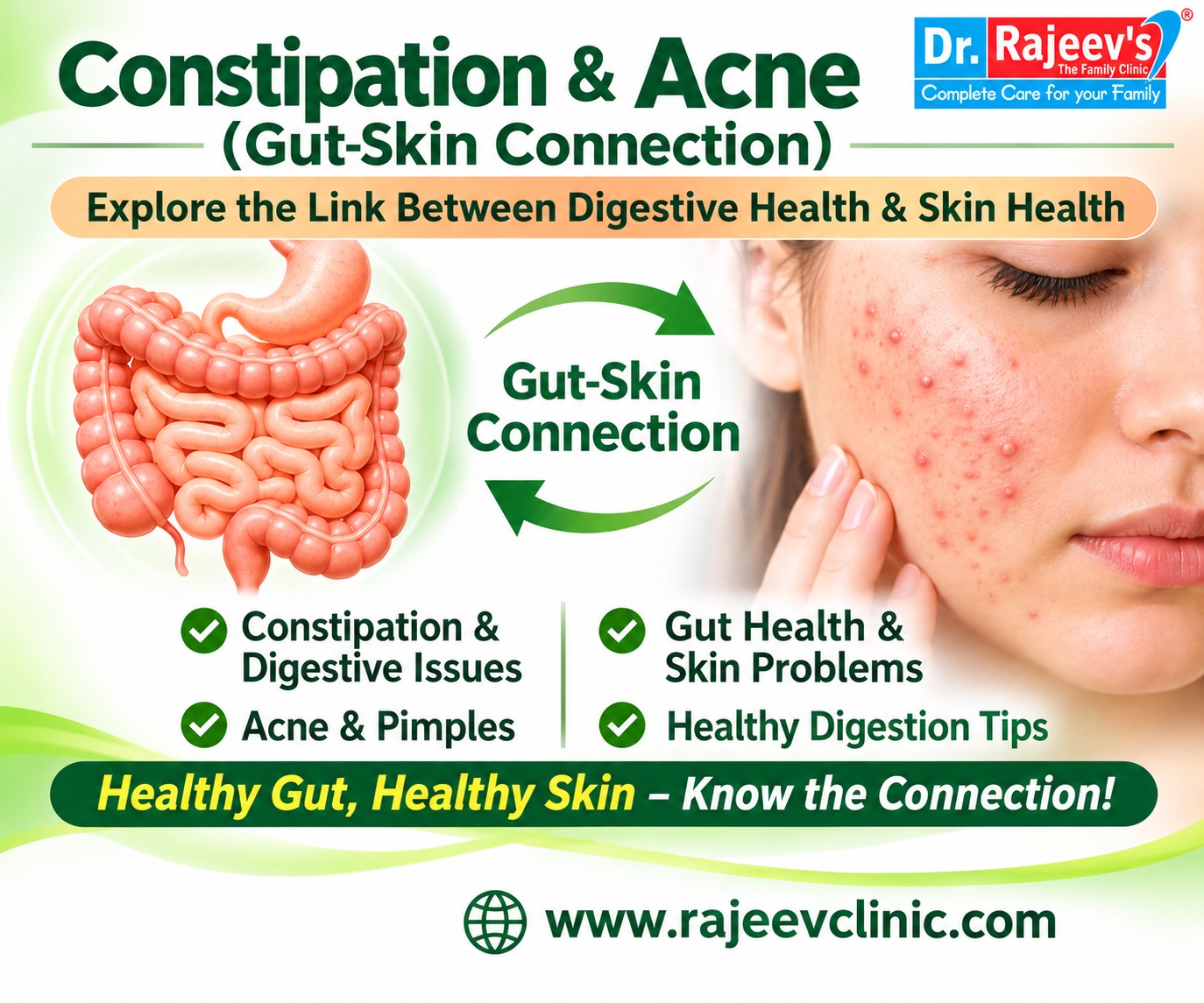
Have you ever noticed that digestive discomfort and skin problems seem to occur around the same time? Many people experience constipation, bloating, and irregular bowel movements while also dealing with acne, pimples, or dull-looking skin. This often raises an important question: Can constipation cause acne?
The relationship between digestive health and skin health is an interesting area of medical research. Scientists are studying how the gut microbiome, inflammation, diet, and the immune system may influence skin conditions.
However, constipation is not a proven direct cause of acne. Both conditions can sometimes share contributing factors, including dietary habits, hormonal changes, and certain underlying health conditions.
In this article, we will explore the possible connection between constipation and acne, common causes, lifestyle factors, and ways to support healthy digestion and skin.
Constipation does not directly cause acne according to current scientific evidence. Acne usually develops when hair follicles become clogged with excess oil (sebum) and dead skin cells. Bacteria, inflammation, and hormonal changes can also contribute to acne formation.
However, researchers are exploring the relationship between the digestive system and skin through something known as the gut-skin connection or gut-skin axis.
The gut and skin are connected through several biological processes, including immune system activity, inflammatory responses, and interactions with the gut microbiome.
This means that certain digestive health problems and skin conditions may share common contributing factors. But having constipation does not necessarily mean a person will develop acne.
The gut-skin connection refers to the communication between the digestive system and the skin through the immune system, gut microorganisms, and other biological pathways.
The digestive system contains trillions of microorganisms, collectively known as the gut microbiome. These microorganisms help with digestion, nutrient processing, and immune system functions.
Researchers are investigating how changes in gut microbial balance may be associated with certain inflammatory skin conditions, including acne, eczema, and rosacea.
Some possible links include:
The gut microbiome plays an important role in digestive and immune health. Changes in its composition may influence inflammatory and immune responses.
Research has explored possible differences in gut microbial patterns among people with acne. However, this does not establish that constipation or gut imbalance is the cause of acne.
Inflammation is involved in the development of acne. Certain digestive and metabolic conditions may also involve inflammatory processes.
Researchers are studying whether communication between the gut and immune system can influence inflammatory skin conditions.
A diet lacking variety and essential nutrients may affect overall health, including skin health. Some dietary patterns may also contribute to constipation.
Nutritional deficiencies and poor dietary habits can therefore be relevant to both digestive and general skin health, although they do not explain every case of acne.
Constipation is a common digestive problem that affects bowel movements. A person may experience constipation when stools become hard, dry, or difficult to pass.
Common constipation symptoms include:
Occasional constipation is common. However, persistent or recurring constipation should be discussed with a healthcare professional to identify its cause.
Several lifestyle habits and medical conditions can contribute to constipation.
Fibre helps add bulk to stools and supports regular bowel movements. Eating too few fruits, vegetables, whole grains, and pulses may increase the risk of constipation.
Not drinking enough fluids can contribute to hard stools, particularly when combined with a low-fibre diet.
A sedentary lifestyle may affect bowel regularity. Regular physical activity can help support normal digestive function.
Repeatedly delaying bowel movements may contribute to constipation in some people.
Some medicines, including certain pain relievers, iron supplements, and other prescribed drugs, may cause constipation as a side effect. Consult your doctor before changing any medication.
Conditions such as hypothyroidism, diabetes, irritable bowel syndrome, and certain neurological disorders can contribute to constipation.
Acne is a common skin condition that can affect teenagers and adults. It may develop due to several factors.
Understanding these causes is important because treating acne requires addressing the factors responsible for the skin condition.
Supporting digestive health is beneficial for overall well-being. Although improving gut health is not a guaranteed acne treatment, healthy habits may support general health and help address some contributing factors.
Here are some practical ways to support digestive and skin health:
Include a variety of fibre-containing foods in your daily diet, such as:
Increase fibre gradually to reduce the possibility of gas and bloating.
Adequate fluid intake helps maintain normal bowel function. Individual fluid requirements vary depending on activity, climate, and health conditions.
Walking, cycling, and other regular physical activities may help support bowel regularity and overall health.
Choose a varied diet containing fruits, vegetables, whole grains, protein, and healthy fats. Observe whether particular foods appear to worsen your acne.
Poor sleep and stress may influence hormonal and inflammatory processes. Maintaining a regular sleep schedule can support general health.
For acne-prone skin:
Do not assume that every skin problem is related to constipation. Persistent acne and digestive problems may require separate medical evaluations.
Consult a healthcare professional if you experience:
Seek prompt medical attention if constipation occurs with blood in the stool, severe abdominal pain, vomiting, or an inability to pass gas or stool.
Some people explore homeopathy as a complementary approach to their health concerns. However, there is currently insufficient reliable scientific evidence that homeopathy effectively treats constipation, acne, or the underlying gut-skin connection.
The appropriate management of constipation depends on its cause and may include dietary changes, lifestyle modifications, medicines, or further medical investigation.
Acne management may involve dermatologist-recommended skincare, topical medicines, or other evidence-based treatments depending on its severity.
Homeopathic products should not replace proven medical care or delay diagnosis. Discuss any complementary treatment with a qualified healthcare professional.
At Dr. Rajeev Homeopathic Clinic, individuals seeking information about complementary healthcare can enquire about available consultation services while continuing appropriate medical care recommended by their treating professionals.
Constipation is not an established direct cause of facial acne. However, digestive health, diet, inflammation, and other lifestyle factors are being studied for their possible relationship with skin health.
Poor digestion does not automatically cause pimples. Acne is influenced by excess sebum, blocked pores, hormonal changes, bacterial activity, and inflammation. Some dietary and health factors may influence both digestion and skin health.
The gut-skin connection describes communication between the digestive system, gut microbiome, immune system, and skin. Researchers are studying how these interactions may influence certain skin conditions.
Drinking adequate water can help support normal bowel function, especially when fluid intake is insufficient. However, drinking extra water beyond your body's needs is not a proven treatment for acne.
Fruits, vegetables, whole grains, pulses, nuts, and other nutrient-rich foods can support overall health and provide dietary fibre. Individual dietary needs and acne triggers may vary.
Yes. Persistent constipation may cause discomfort, straining, haemorrhoids, and anal fissures. It can also sometimes indicate an underlying medical condition that needs evaluation.
Yes, if either condition is persistent, severe, or affecting your daily life. A healthcare professional can evaluate the symptoms and recommend appropriate care.


ABHI HOMEO HALL is a one and half decade old renowned clinic that offers the best quality, non-toxic and highly effective treatment in Ranchi, Patna and Delhi.
Read More