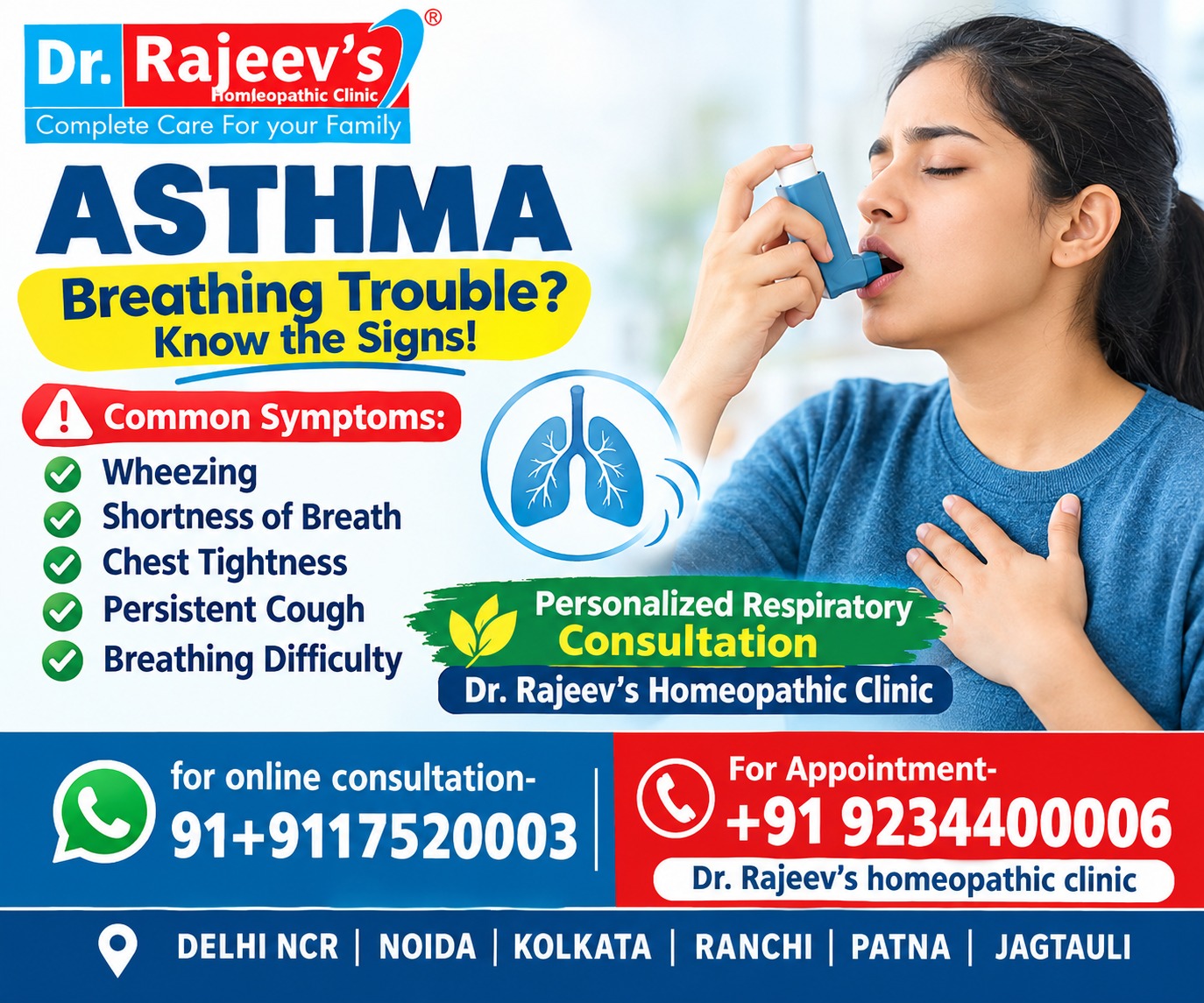
Asthma is a long-term respiratory condition that affects the airways and can make breathing difficult. People with asthma may experience episodes of wheezing, coughing, chest tightness and shortness of breath. Symptoms can vary from person to person and may become worse after exposure to certain triggers.
Although asthma cannot always be prevented, appropriate diagnosis and treatment can help control symptoms and reduce the risk of severe attacks.
Asthma is a chronic condition in which the airways become inflamed and narrowed. During an asthma episode, the muscles around the airways may tighten, the airway lining can swell, and mucus production may increase. These changes can make it harder for air to move in and out of the lungs.
Asthma may affect children and adults and can range from mild to severe.
Recognizing asthma symptoms early can help people seek appropriate medical care.
Common symptoms include:
Symptoms may come and go. Some people have symptoms only occasionally, while others experience them more frequently.
There is no single cause of asthma. Genetic, environmental and allergic factors can all contribute to its development.
Possible factors include:
Identifying individual triggers is an important part of asthma management.
Different people may have different asthma triggers. Common triggers include:
Keeping track of when symptoms occur can help identify potential triggers.
There are several forms of asthma, including:
This type is associated with allergens such as pollen, dust mites, mold or pet dander.
Symptoms may occur without a clear allergic trigger and can be associated with infections, environmental factors or other irritants.
Some people develop breathing symptoms during or after physical activity.
Workplace exposure to dust, chemicals, fumes or other substances may contribute to asthma symptoms.
Asthma in children may cause recurrent coughing, wheezing or breathing difficulties and should be evaluated by a qualified healthcare professional.
A healthcare professional may consider your symptoms, medical history and family history when evaluating possible asthma.
Depending on the situation, testing may include:
An accurate diagnosis is important because several conditions can cause symptoms similar to asthma.
The goal of asthma treatment is to control symptoms, maintain normal activity and reduce the risk of severe attacks.
Treatment may include:
Doctors commonly prescribe inhaled medicines to control airway inflammation or provide quick relief during symptoms, depending on the individual's condition.
Avoiding known triggers can help reduce symptoms. This may include reducing exposure to smoke, allergens, dust or other irritants.
People with persistent asthma may benefit from a personalized asthma action plan that explains daily treatment, symptom monitoring and what to do if symptoms worsen.
Regular follow-up helps healthcare professionals assess symptom control and adjust treatment when necessary.
Important: Asthma can sometimes become life-threatening. Prescribed inhalers or other medical treatment should not be stopped or replaced with alternative therapies without medical advice.
Some practical measures may support overall respiratory health:
A severe asthma attack can become an emergency.
Seek urgent medical attention if you experience severe difficulty breathing, worsening symptoms despite using your prescribed reliever medicine, difficulty speaking because of breathlessness, bluish lips or face, confusion, or extreme exhaustion.
Do not delay emergency care in a severe breathing episode.
People sometimes search for asthma treatment in homeopathy. However, reliable scientific evidence does not establish homeopathy as an effective replacement for proven asthma treatments.
If you choose to consult a homeopathic practitioner, it should be considered complementary care and should not replace prescribed inhalers, emergency treatment, or regular evaluation by a qualified healthcare professional.
At Dr. Rajeev’s Homeopathic Clinic, consultations can focus on individual symptoms and overall health, while patients with asthma should continue appropriate medical respiratory care.
Frequently Asked Questions About Asthma
Common asthma symptoms include wheezing, coughing, shortness of breath and chest tightness. Symptoms may occur intermittently or become more frequent.
Asthma causes can involve genetic susceptibility, allergies, air pollution, smoke, respiratory infections, workplace exposures and other environmental factors.
Common asthma triggers include pollen, dust mites, mold, pet dander, smoke, strong odors, pollution, cold air, infections and exercise.
There is currently no universal permanent cure for asthma. However, appropriate treatment and trigger management can help many people control their symptoms effectively.
Asthma can be mild or severe. A serious asthma attack can become life-threatening, so severe breathing difficulty requires urgent medical attention.
Yes. Childhood asthma is common and may cause recurrent coughing, wheezing and breathing difficulties. Children with recurring symptoms should be evaluated by a healthcare professional.
Exercise can trigger symptoms in some people. With proper diagnosis and an appropriate management plan, many people with asthma can remain physically active.
Doctors may use medical history, physical examination and lung function tests such as spirometry. Additional testing may be recommended depending on the symptoms.
The appropriate asthma treatment depends on the person's symptoms, severity, triggers and medical history. Doctors may recommend inhaled medicines, trigger management and regular monitoring.
No. Homeopathy should not replace evidence-based asthma treatment, prescribed inhalers or emergency care. People with asthma should follow their healthcare professional's treatment plan.


ABHI HOMEO HALL is a one and half decade old renowned clinic that offers the best quality, non-toxic and highly effective treatment in Ranchi, Patna and Delhi.
Read More